The Ultimate First Home Buying Guide
- juliangrup12
- Apr 28
- 3 min read
Buying your first home is a significant milestone. It can feel overwhelming, but with the right information, the process becomes manageable. This guide will walk you through the essential steps to help you make informed decisions. I will share practical advice and clear explanations to support you on this journey.
Understanding Your Financial Situation: The First Home Buying Guide
Before you start looking at properties, it is crucial to understand your finances. Knowing what you can afford will save you time and stress.
Assess your savings: You will need a deposit, usually at least 5% to 10% of the property price. Also, consider additional costs like stamp duty, legal fees, and moving expenses.
Check your credit score: A good credit score improves your chances of getting a mortgage with favourable terms.
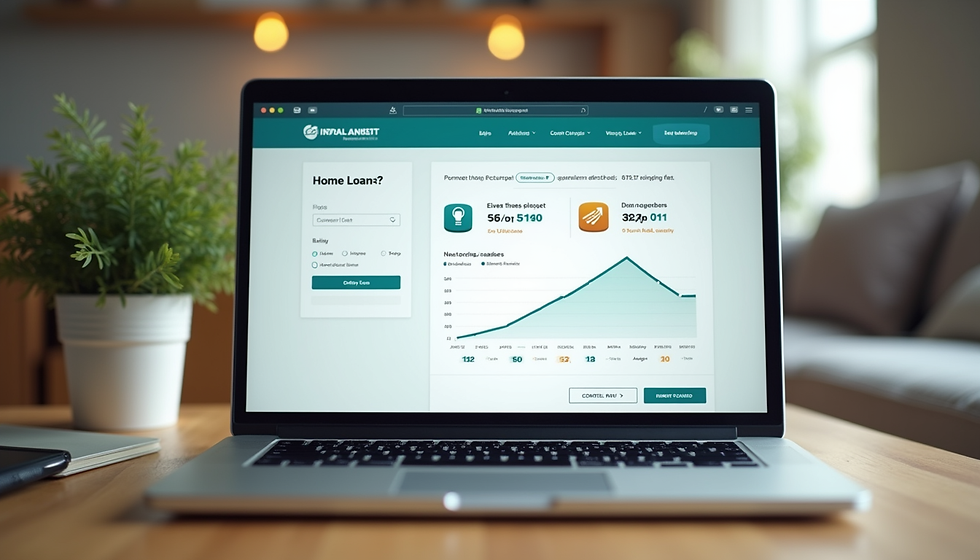
Calculate your budget: Use online mortgage calculators to estimate monthly payments based on different loan amounts and interest rates.
Consider your income stability: Lenders prefer applicants with steady income. If you are self-employed, prepare to provide more documentation to prove your earnings.
Taking these steps early helps you set realistic expectations and prepares you for mortgage applications.
Finding the Right Mortgage and Understanding Your Options
Choosing the right mortgage is one of the most important decisions. There are several types of mortgages available, and understanding them will help you pick the best fit.
Fixed-rate mortgage: The interest rate stays the same for a set period, usually 2 to 5 years. This option offers stability in monthly payments.
Variable-rate mortgage: The interest rate can change, usually in line with the Bank of England base rate. Payments may go up or down.
Tracker mortgage: This follows the Bank of England base rate plus a set percentage. It can be cheaper but less predictable.
Help to Buy schemes: Some government schemes assist first-time buyers with deposits or equity loans.
Speak with mortgage advisors to compare deals. Remember to factor in fees such as arrangement fees and early repayment charges.

Searching for Your Ideal Home
Once your finances are in order, start looking for properties that meet your needs.
Location: Consider proximity to work, schools, transport links, and amenities.
Type of property: Decide between flats, terraced houses, semi-detached, or detached homes based on your lifestyle and budget.
Condition of the property: New builds may require less maintenance but can be more expensive. Older homes might need renovations.
Future resale value: Think about the potential for property value growth.
Use online property portals and local estate agents to find listings. Visit multiple properties to get a feel for what is available within your price range.

Making an Offer and Navigating the Legal Process
When you find a property you like, the next step is to make an offer.
Offer price: Base your offer on market research and the property’s condition.
Negotiation: Be prepared for counteroffers. Stay within your budget.
Offer acceptance: Once accepted, the property is taken off the market, but the sale is not legally binding yet.
After your offer is accepted, you will need to instruct a solicitor or conveyancer to handle the legal work. This includes:
Title search: Ensuring the seller has the right to sell the property.
Contract review: Checking terms and conditions.
Exchange of contracts: This is when the sale becomes legally binding.
Completion: The final step where you pay the balance and receive the keys.
It is important to stay in close contact with your solicitor and mortgage provider during this period.
Preparing for Moving Day and Beyond
Once the sale completes, it is time to plan your move and settle into your new home.
Arrange removals: Book a removal company or organise help from friends and family.
Set up utilities: Contact providers for gas, electricity, water, and internet.
Change your address: Notify banks, employers, and other important contacts.
Home insurance: Arrange buildings and contents insurance to protect your investment.
Moving can be stressful, so create a checklist to keep track of tasks. Take time to familiarise yourself with your new neighbourhood and local services.
Buying your first home is a complex process, but with careful planning and the right support, it becomes achievable. For anyone starting this journey, I recommend using a trusted guide to buying your first home to ensure you cover all essential steps.


Comments